Starlink Mini 2: what changed, and what buyers should check
Research & procurement notes · DELTA V by Keisei
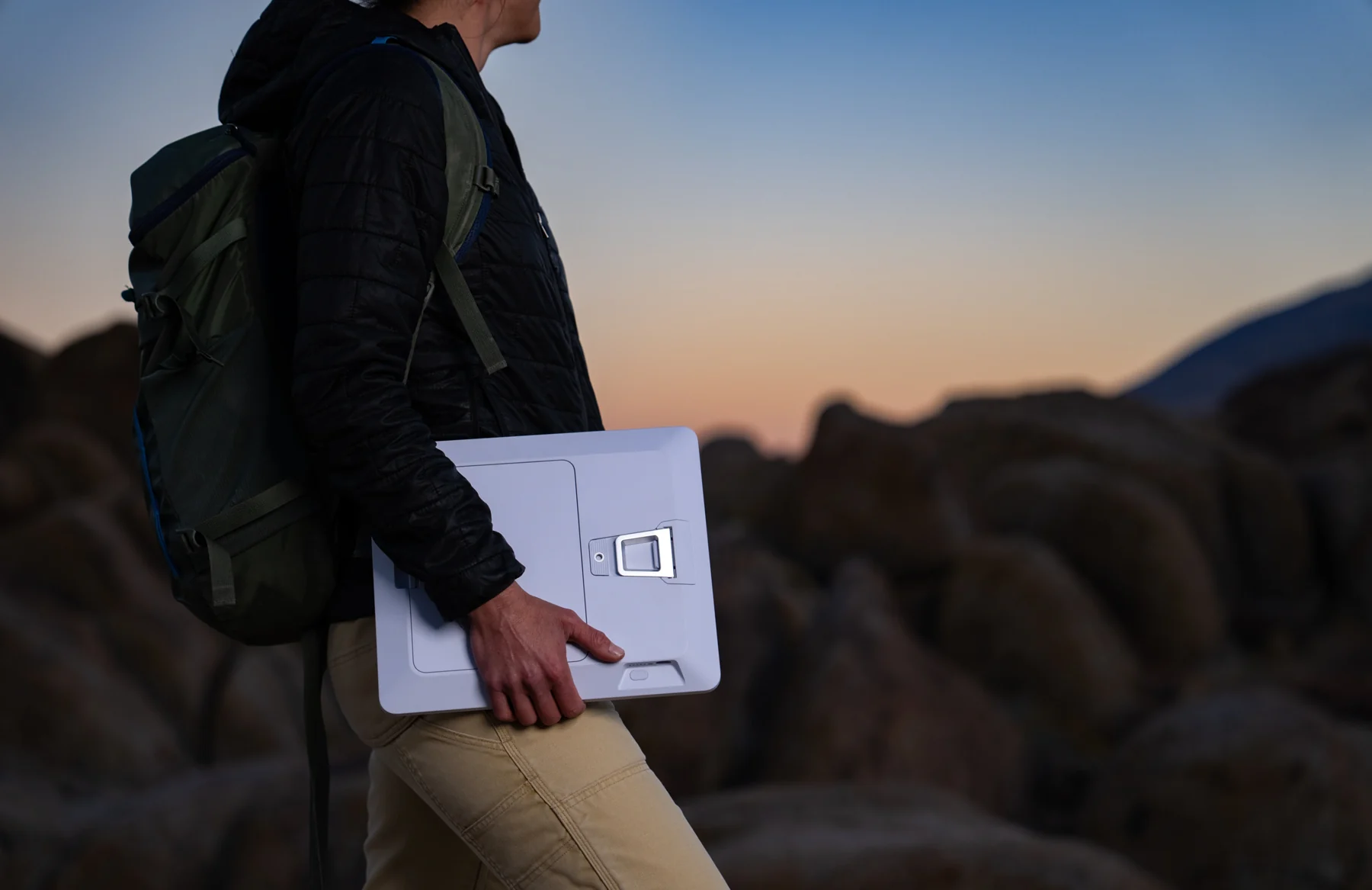
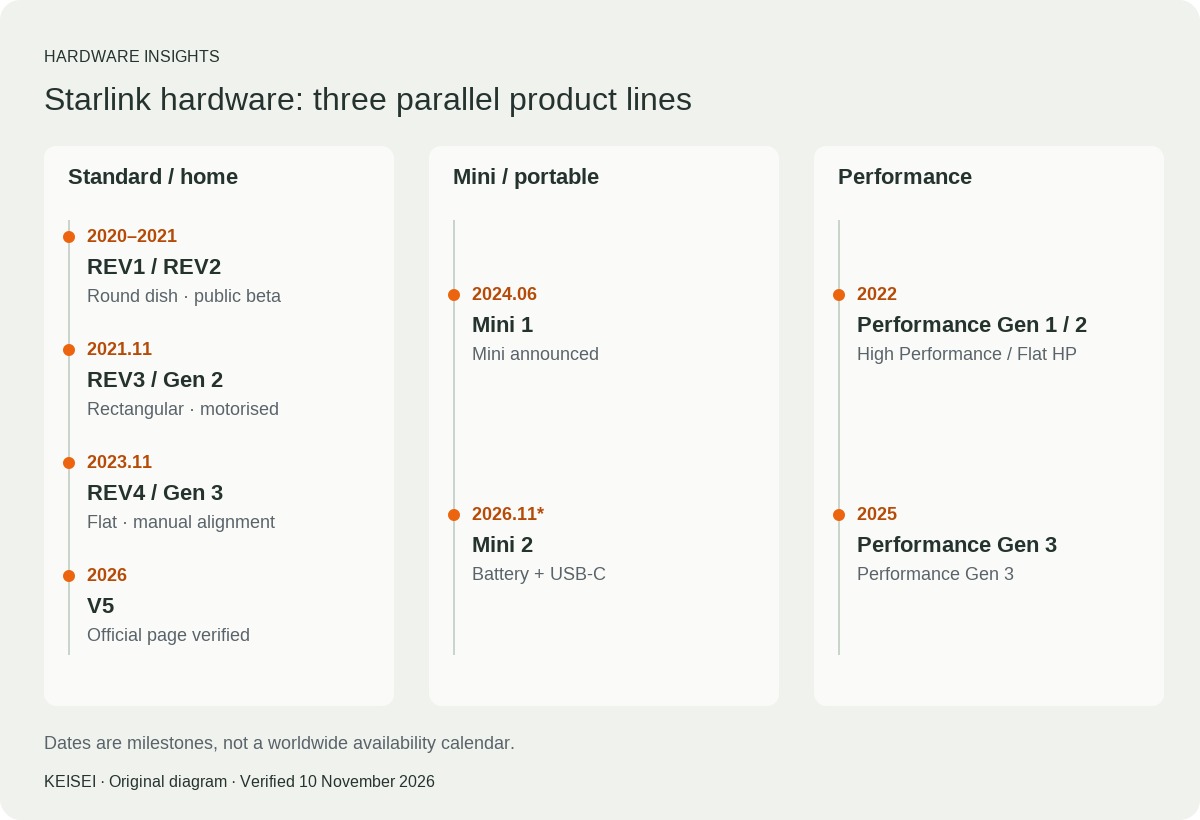
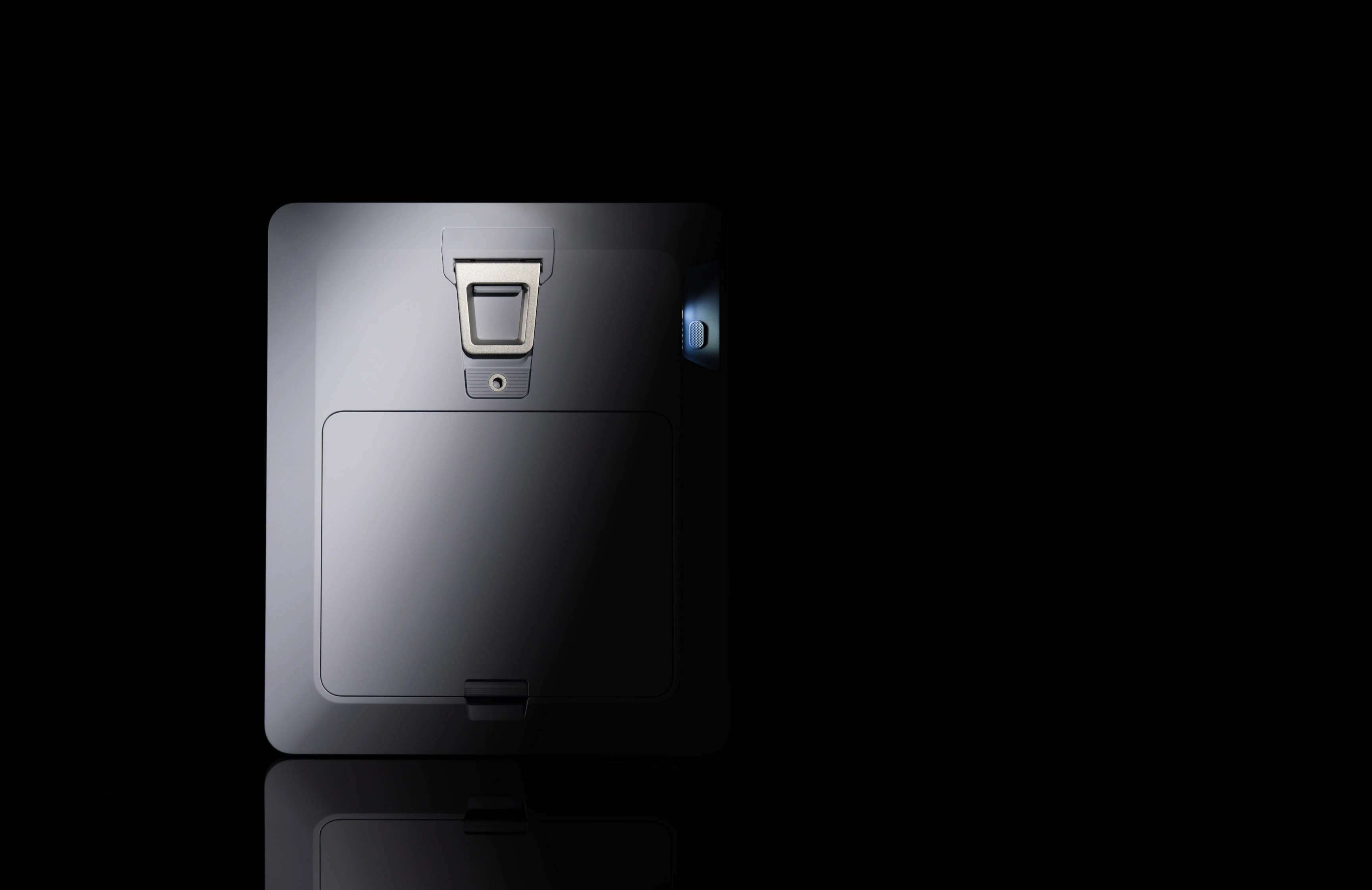
Mini 2 adds a removable battery, built-in Wi-Fi 6 and USB-C power to the portable Starlink format. It is a separate product from the original Mini and the Mini X bundle. The official launch page currently limits preorders to invited US customers; wider availability remains pending.
Official Starlink / SpaceX launch film. Manufacturer media; not evidence of DELTA V inventory. Starlink ↗
What changes with Mini 2?
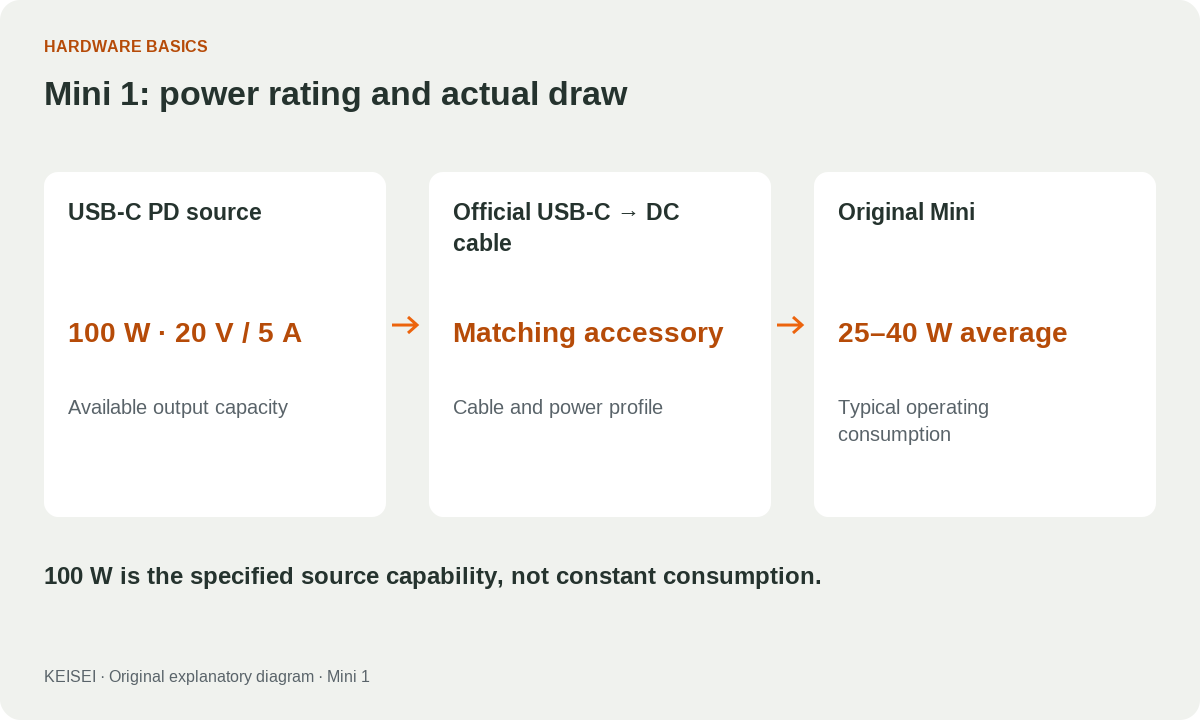
The battery is the main practical change: a field team can plan a short session without building its entire kit around a separate power outlet. Starlink rates runtime at up to 4.5 hours and charging at 60 W over USB-C. Those are manufacturer figures, not a measured runtime test by DELTA V.
The launch page also specifies Wi-Fi 6, coverage up to 167 m² and IP67 protection. For procurement, record the operating environment and expected session length before deciding how many spare batteries and charging points a deployment needs.
As verified on 10 November 2026, Starlink describes invitation-only preorders for selected US customers, with more customers and countries to follow. That does not establish a launch date, activation eligibility or commercial stock in Poland, Ukraine or another destination.
DELTA V accepts non-binding purchasing enquiries. A request helps define demand; an executable purchase still needs a separate written offer confirming configuration, quantity, price, availability and delivery. Do not use an invitation-bundle headline price as a hardware-only wholesale quote.
No. The manufacturer’s Mini X kit page lists a Mini terminal with integrated Wi-Fi plus a separate Router Mini and its accessories. The Mini 2 launch describes a new battery-equipped terminal. A separate router in a Mini X box does not turn the terminal into Mini 2.
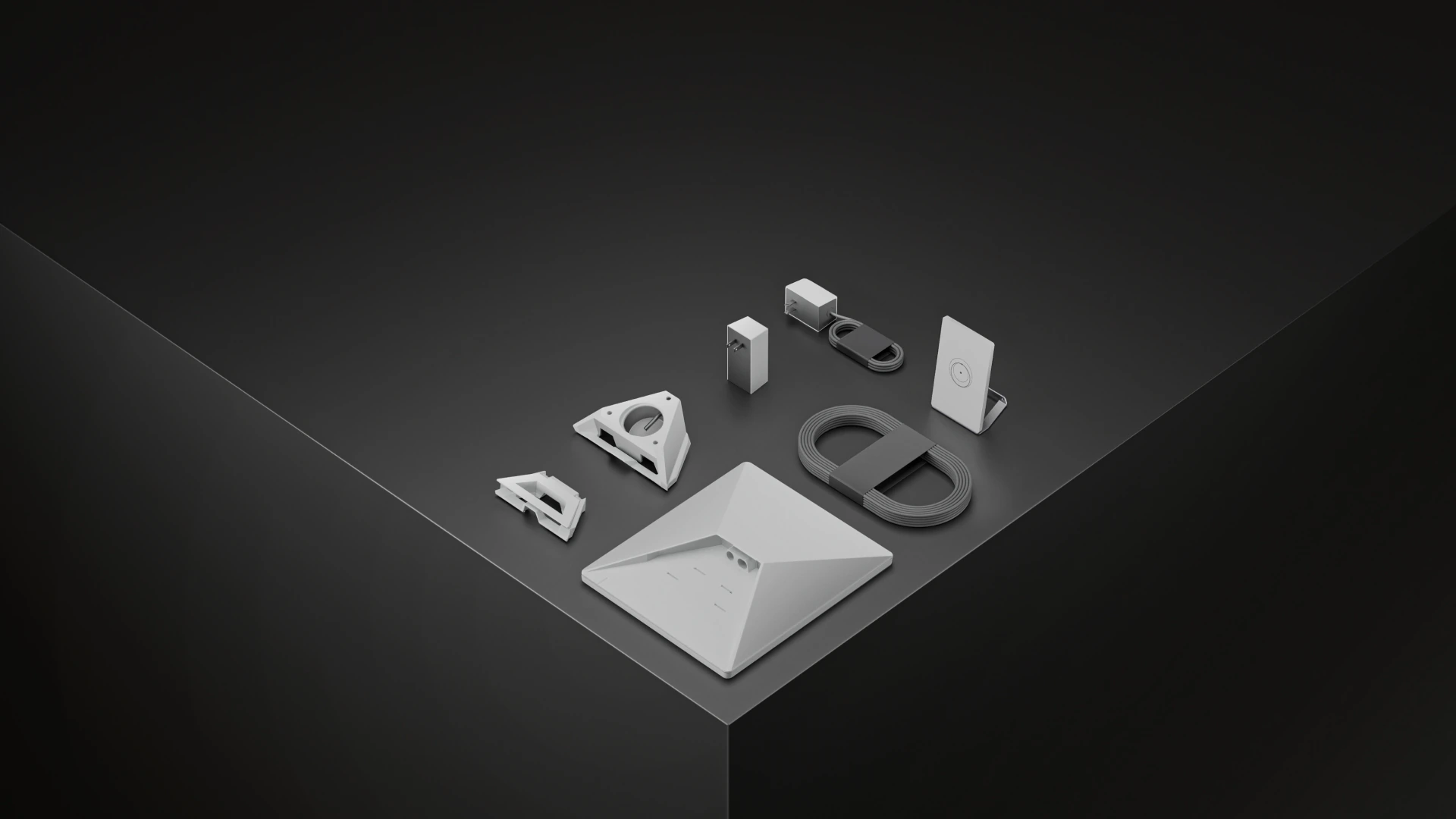
When comparing offers, request a photo of the exact kit label and a written contents list. Keep the terminal, router, power supply, plug and spare accessories as separate lines in the purchasing specification.
Identity: Mini 2 by name, the regional kit code and the included components.
Use: delivery country and actual country of operation, with the appropriate Starlink service and activation requirements checked separately.
Power: planned runtime, spare-battery quantity, charging equipment and transport requirements for the actual shipment.
Commercial terms: batch quantity, written price, stock evidence, warranty handling and delivery terms.
Acceptance: label photos and a contents checklist that can be checked against the received units.
For an immediate project, compare a currently quoted Mini or Mini X kit against the cost of waiting for Mini 2. For a future rollout, use a conditional demand plan and avoid promising your customer a delivery date before supply is confirmed.
Where Oleg’s teardown research fits
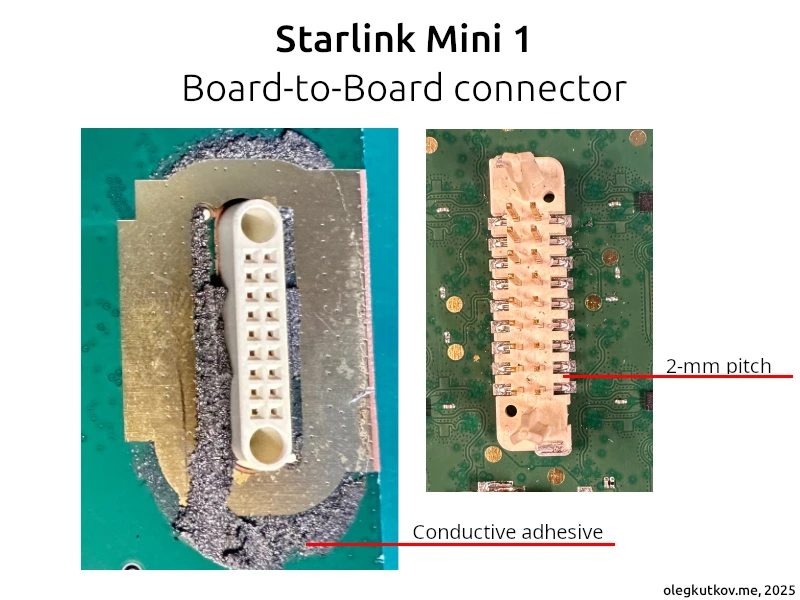
Oleg Kutkov’s June 2025 Mini teardown explicitly applies to the first Mini and warns that later hardware may differ. It is useful background for understanding the original design, but it does not verify Mini 2 internals. This article makes no claim that DELTA V or Oleg has tested the new Mini 2.
Checked 11 November 2026: Starlink publishes online specification tables for the terminal, battery and charger. We have not located a separate official Mini 2 specification PDF or installation manual in the public material checked. The first-generation Mini manuals are not Mini 2 documentation.
Official specifications, independent research and our purchasing guidance are identified separately. Oleg Kutkov is a cited independent researcher, not the author of this site. Rumours, when covered, are labelled unconfirmed and updated when primary evidence appears. Specifications and regional kit contents can change.
DELTA Vby Keisei Co., Ltd.
Hardware knowledge for better purchasing decisions.
DELTA V by Keisei Co., Ltd. connects hardware research with cross-border B2B sourcing. For model selection, regional configurations or a purchasing enquiry, contact our team.