Inside Starlink Mini: a teardown guide to boards, cooling and revisions
Research & procurement notes · DELTA V by Keisei
The original Starlink Mini is one enclosure containing distinct antenna and Wi-Fi-router electronics. Oleg Kutkov’s June 2025 teardown documents an internal board connector and a metal layer that handles both heat and shielding. This guide explains that first-generation Mini evidence; it does not present Mini 2 internals or a hands-on teardown by KEISEI.
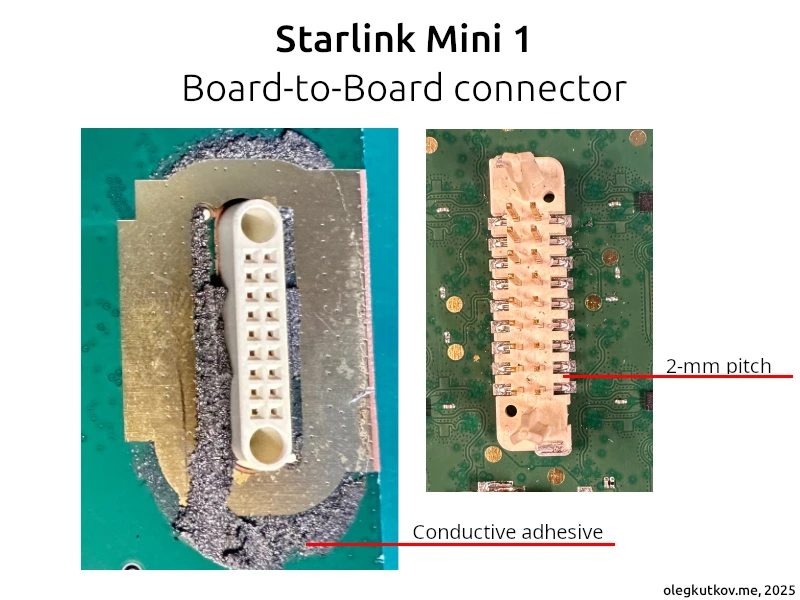
Figure 1. The same board-to-board connection viewed from two sides. Original annotations retained; JPEG converted to WebP for delivery. Photograph and annotations: Oleg Kutkov · CC BY 4.0
One enclosure, two different jobs
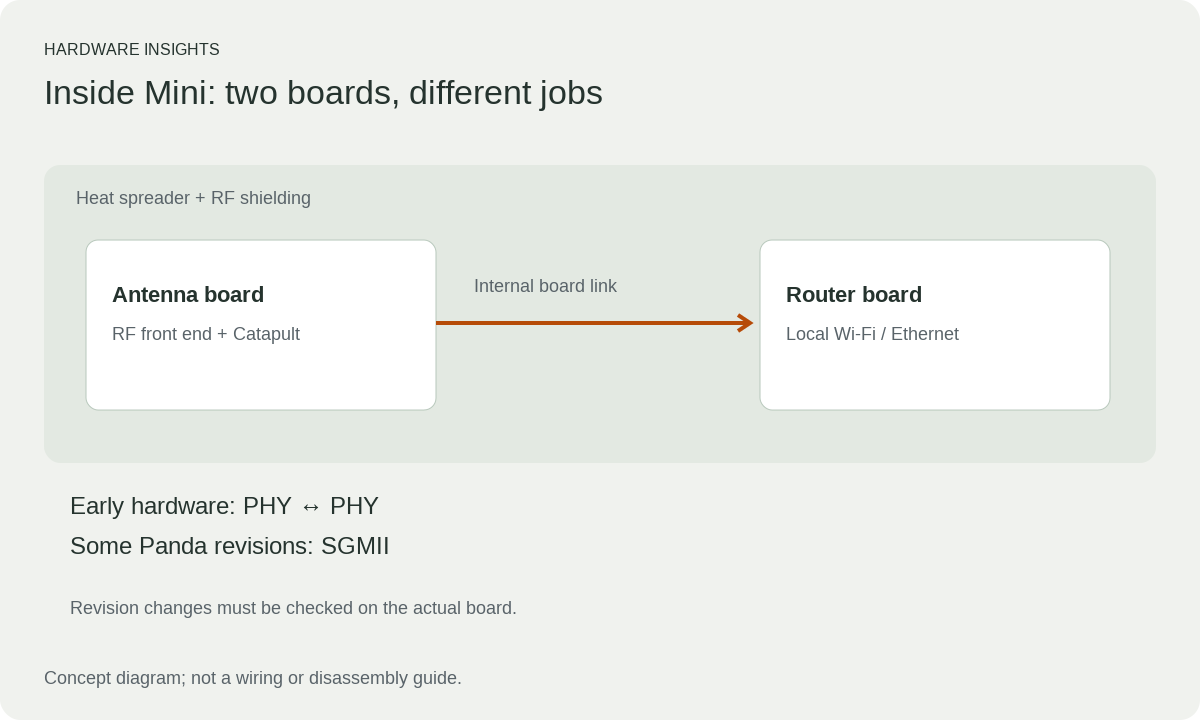
The antenna board communicates with Starlink satellites. Its RF front end processes the radio signals, while the terminal’s processing hardware manages the link. The Wi-Fi router serves local devices. Integrating both into one housing makes the product compact; it does not make the two functions the same circuit.
This distinction explains a common source of confusion. A problem in local Wi-Fi is not automatically a failed satellite antenna. Likewise, changing the external router arrangement does not identify which antenna-board revision is inside the housing. Oleg’s research describes the Mini platform as Catapult-based.
Figure 2. Original KEISEI explanatory diagram based on the cited teardown and revision notes. It omits component placement and pin assignments; it is not a wiring drawing.
In Oleg’s teardown, the metal plate has two roles: spreading heat and shielding electromagnetic interference. The conductive adhesive around the connector is also part of the electrical and mechanical assembly, not simply leftover glue.
That makes a photograph of a bare board easy to misread. A functioning assembled terminal includes thermal paths and shielding that are absent from an exposed-board photo. Removing that structure can affect temperature and interference. A connector close-up tells us where the boards meet, not that the product can run indefinitely without its original enclosure and cooling.
The 2025 example uses a gigabit Ethernet PHY-to-PHY connection between the boards. A PHY is the physical-layer transceiver. Oleg notes that this short internal link does not use the usual Ethernet isolation transformers between those two boards. It should not be treated as a ready-made external RJ45 port.
Later revision notes describe SGMII in some Panda variants. SGMII is a serial interface used between Ethernet logic components. Its presence means the electrical interface can differ even when the enclosure and connector look familiar. A modification demonstrated on one revision is therefore not proof that it applies to another.
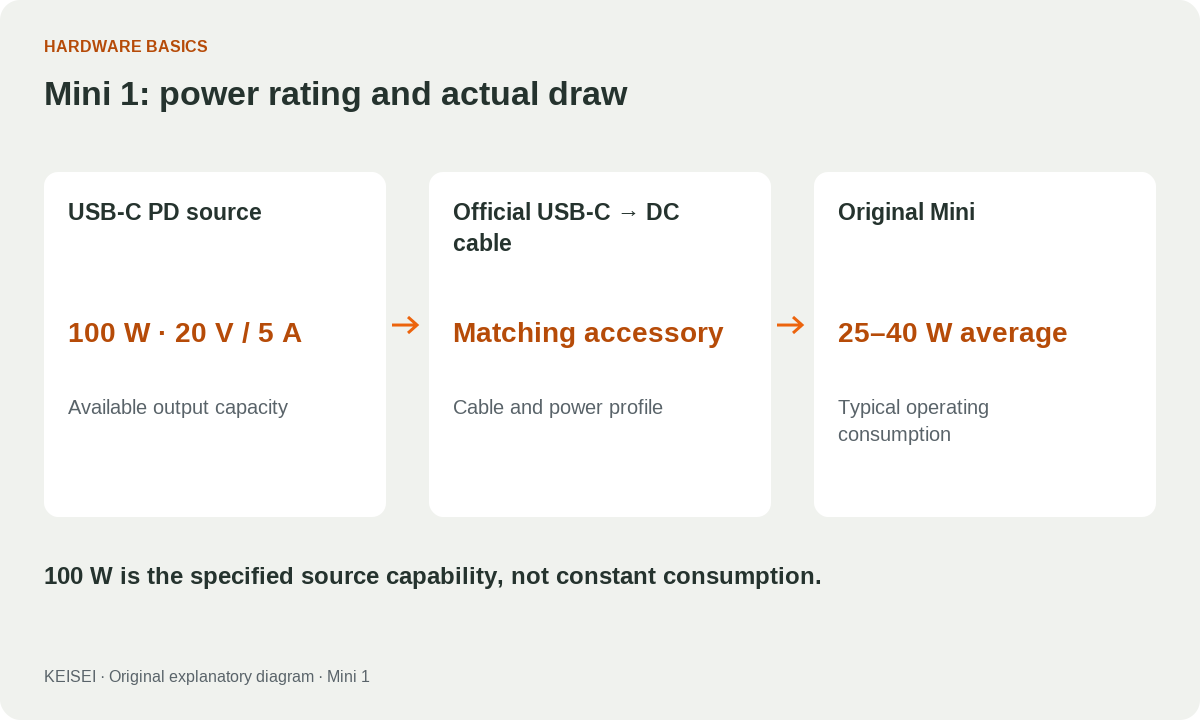
The 12 V discussed in the teardown is an internal board supply. It is not the specification for every external Mini power input. Keep internal rails, external adapter ratings and USB-C charging requirements separate when comparing models.
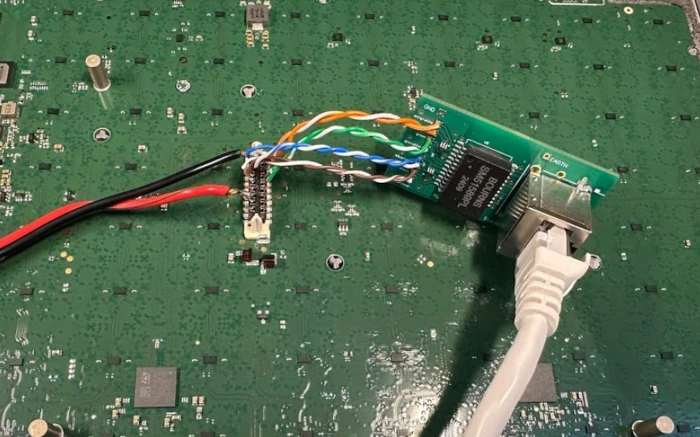
The photograph below shows Oleg’s experimental Ethernet connection to an exposed Mini board. The added wires and small RJ45 board belong to that modification; they are not the factory contents of a Mini kit. It is useful evidence that the router and antenna are distinct subsystems, not a recommended installation layout.
Figure 3. Research modification, not the factory configuration. Original photograph retained and converted to WebP. The added RJ45 adapter must not be mistaken for an original onboard part. Photograph: Oleg Kutkov · CC BY 4.0
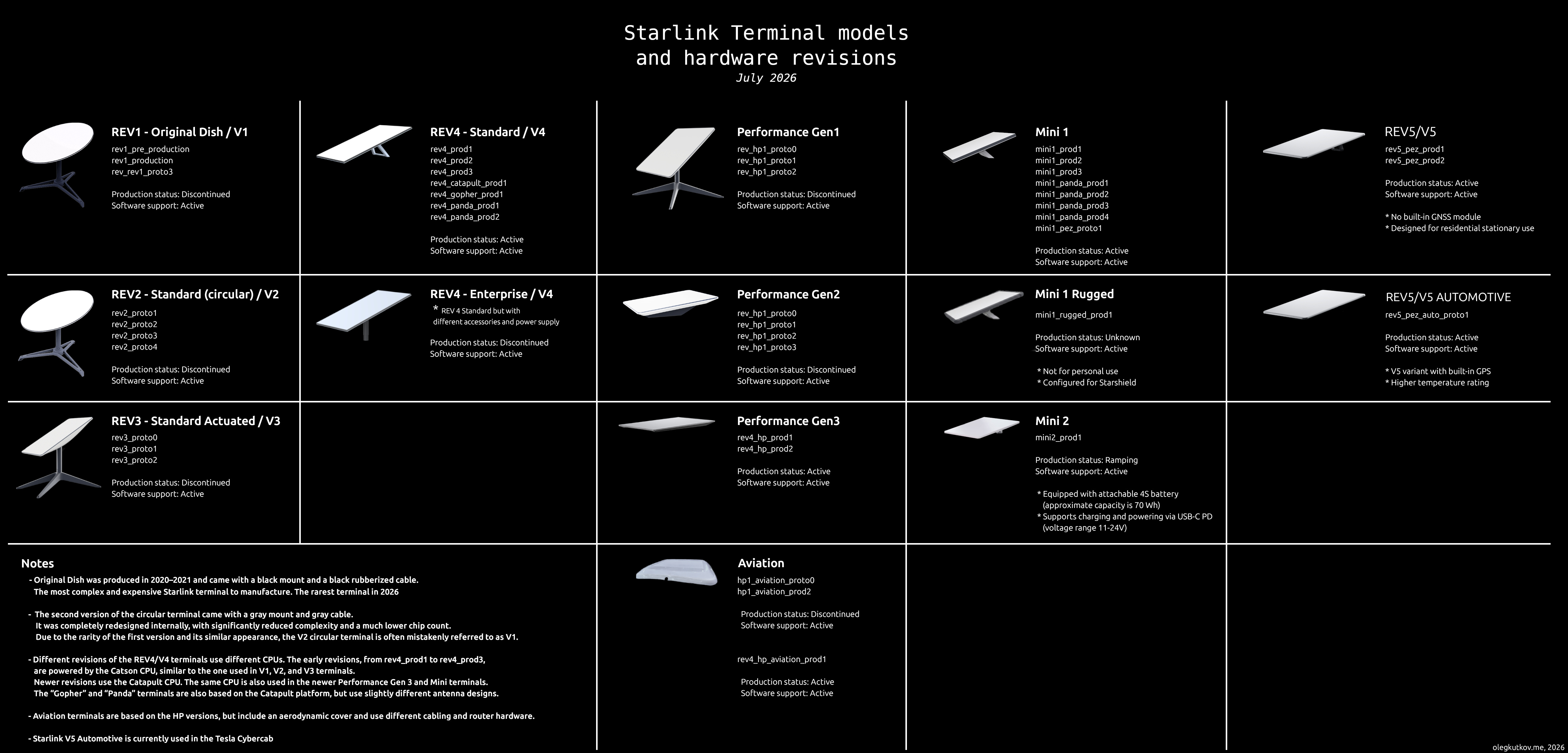
Oleg distinguishes Bamboo and Panda RF front-end implementations while describing both as Catapult-based. These are useful hardware identifiers, not official speed tiers. The table deliberately preserves an unresolved inconsistency in the published notes.
Bamboo, Panda and the limit of revision lists
Revision group
Published observation
How to use the evidence
mini1_prod1 / prod2 / prod3
Early Mini group; PHY-based link in the revision summary.
Treat the June 2025 teardown as an example, then verify the actual board.
mini1_panda_prod1 / prod4
PHY-based link in Oleg’s revision summary.
Do not infer that every other component is interchangeable.
mini1_panda_prod3
SGMII in the summary; the follow-up also describes removal of the old PHY.
The earlier Ethernet modification cannot simply be carried over.
mini1_panda_prod2
Conflicting evidence: the summary groups it with SGMII, but the follow-up groups prod2 and earlier with the Ethernet chip.
Unresolved. Inspect the actual hardware; do not publish a definite compatibility rule.
What this tells us — and does not tell us — about Mini 2
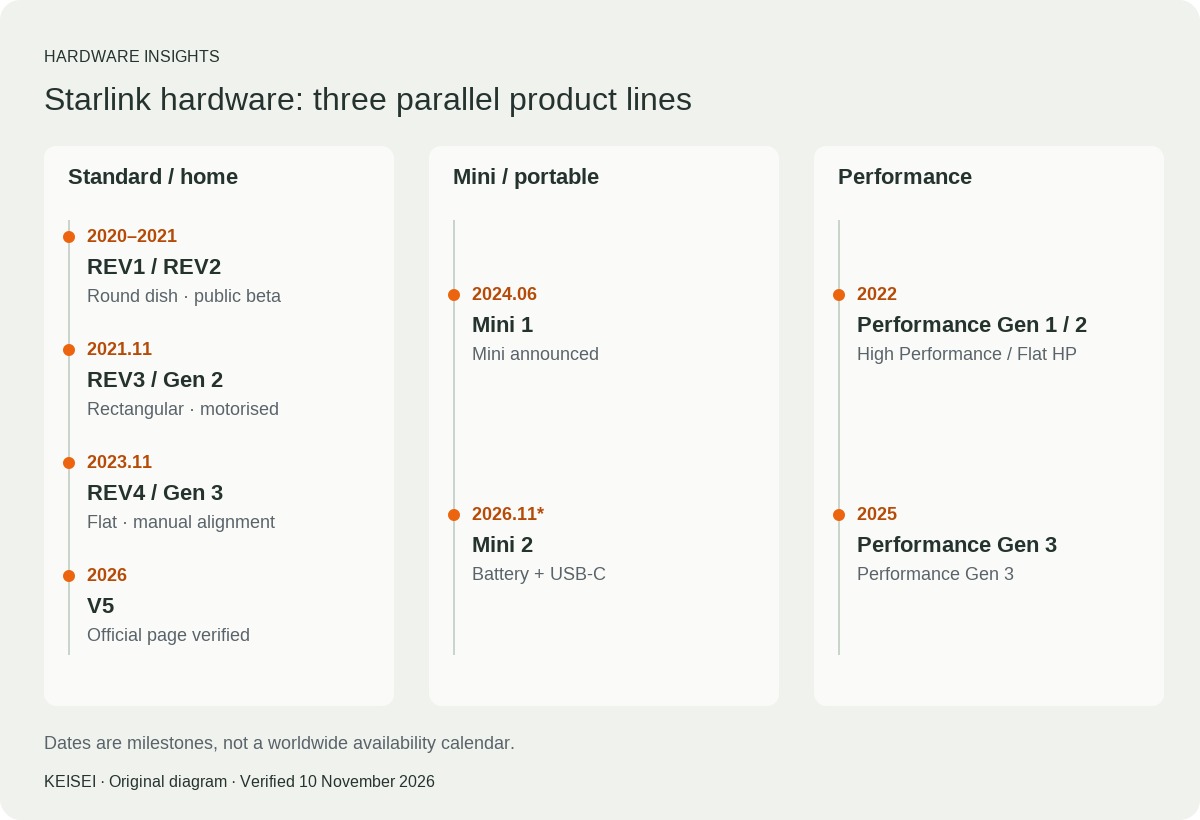
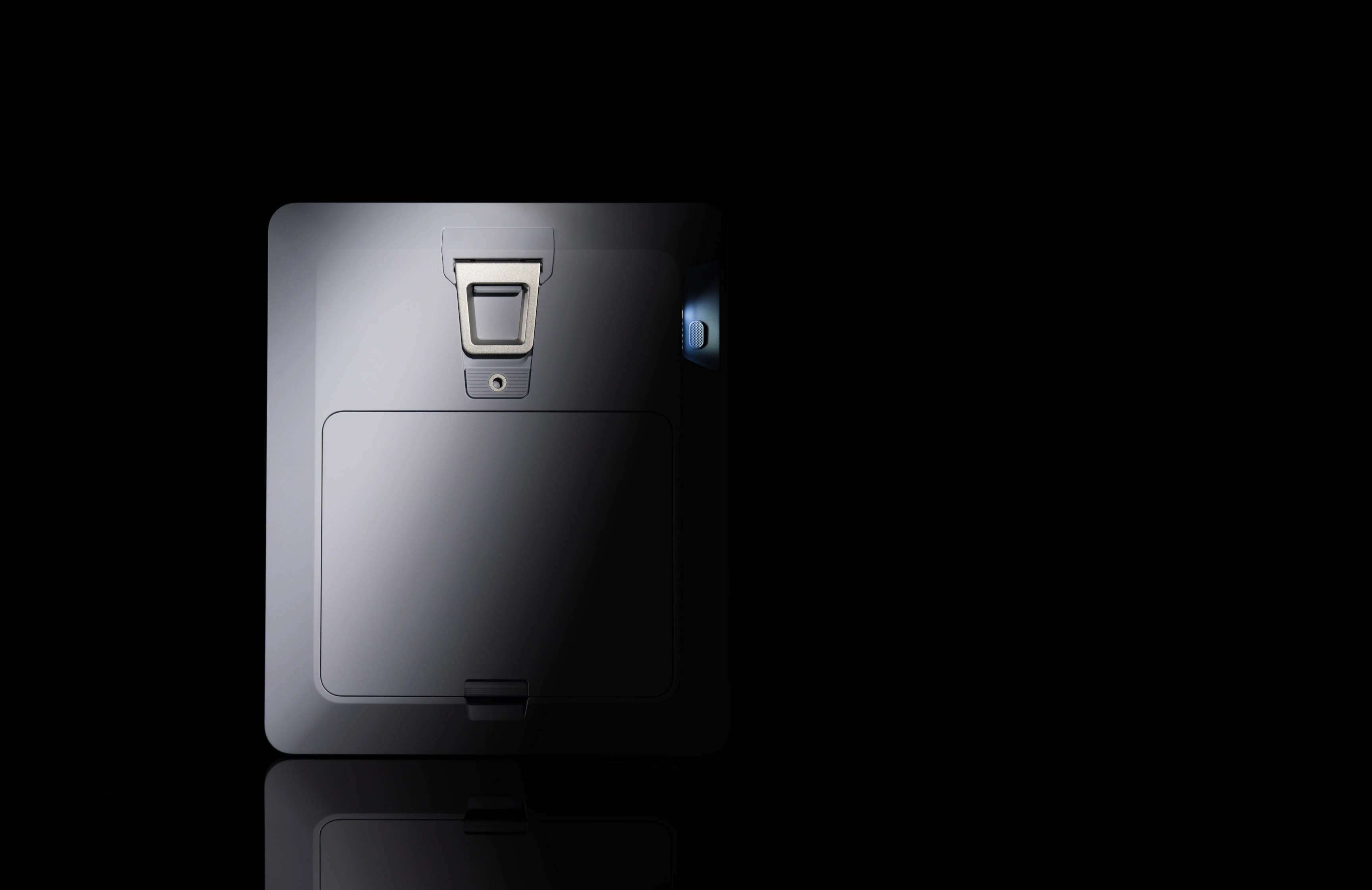
The official Mini 2 page confirms a removable battery, integrated Wi-Fi 6 and USB-C charging. Those visible product changes justify a separate entry in the product history. They do not establish the RF chip layout, internal link type, repair compatibility or board-level power design.
The first Mini teardown should remain labelled Mini 1, even when readers arrive through a Mini 2 search. A future Mini 2 teardown needs identifiable hardware, original board photographs and revision-specific findings. We have not substituted an old board photograph for that missing evidence.
This is a KEISEI educational synthesis of published research. Oleg Kutkov carried out the cited teardown and supplied the original photographs through his blog. The blog’s CC BY 4.0 licence permits attributed reuse and adaptation, including commercial use. The captions identify the source and conversion; the block diagram is our own explanatory drawing.
We have not opened or measured a terminal for this article. We separate direct observations, manufacturer specifications and unresolved revision claims. Oleg is not a co-author of this page and has not endorsed KEISEI. The dated source list below lets readers inspect the evidence and identify later changes.
Official specifications, independent research and our purchasing guidance are identified separately. Oleg Kutkov is a cited independent researcher, not the author of this site. Rumours, when covered, are labelled unconfirmed and updated when primary evidence appears. Specifications and regional kit contents can change.
DELTA Vby Keisei Co., Ltd.
Hardware knowledge for better purchasing decisions.
DELTA V by Keisei Co., Ltd. connects hardware research with cross-border B2B sourcing. For model selection, regional configurations or a purchasing enquiry, contact our team.