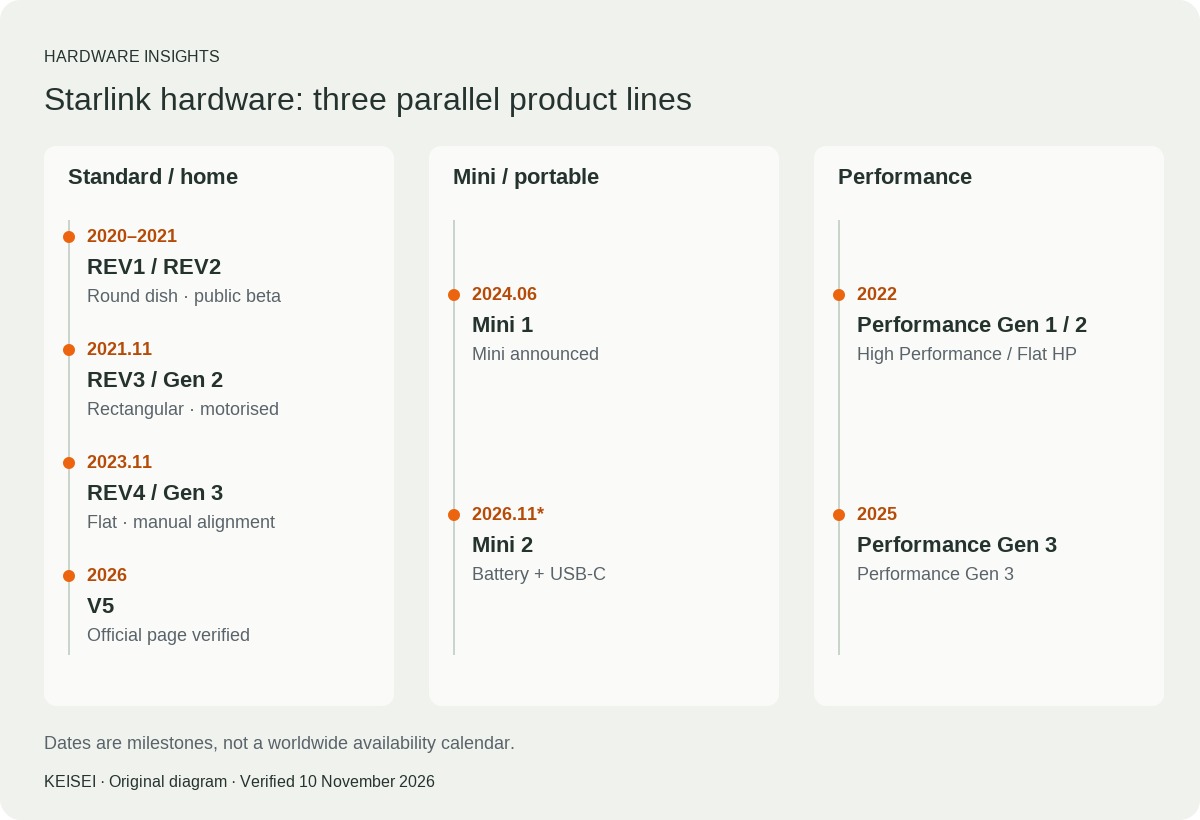
Oleg Kutkov reports that Starlink Mini 2 has moved to rev_mini2_prod2, with higher transmit power, adjusted receiver gain and higher board-temperature limits. These are independent research findings. His expectation that prod2 will ship to customers remains a prediction; the figures do not establish a download-speed increase or a hotter ambient operating range.
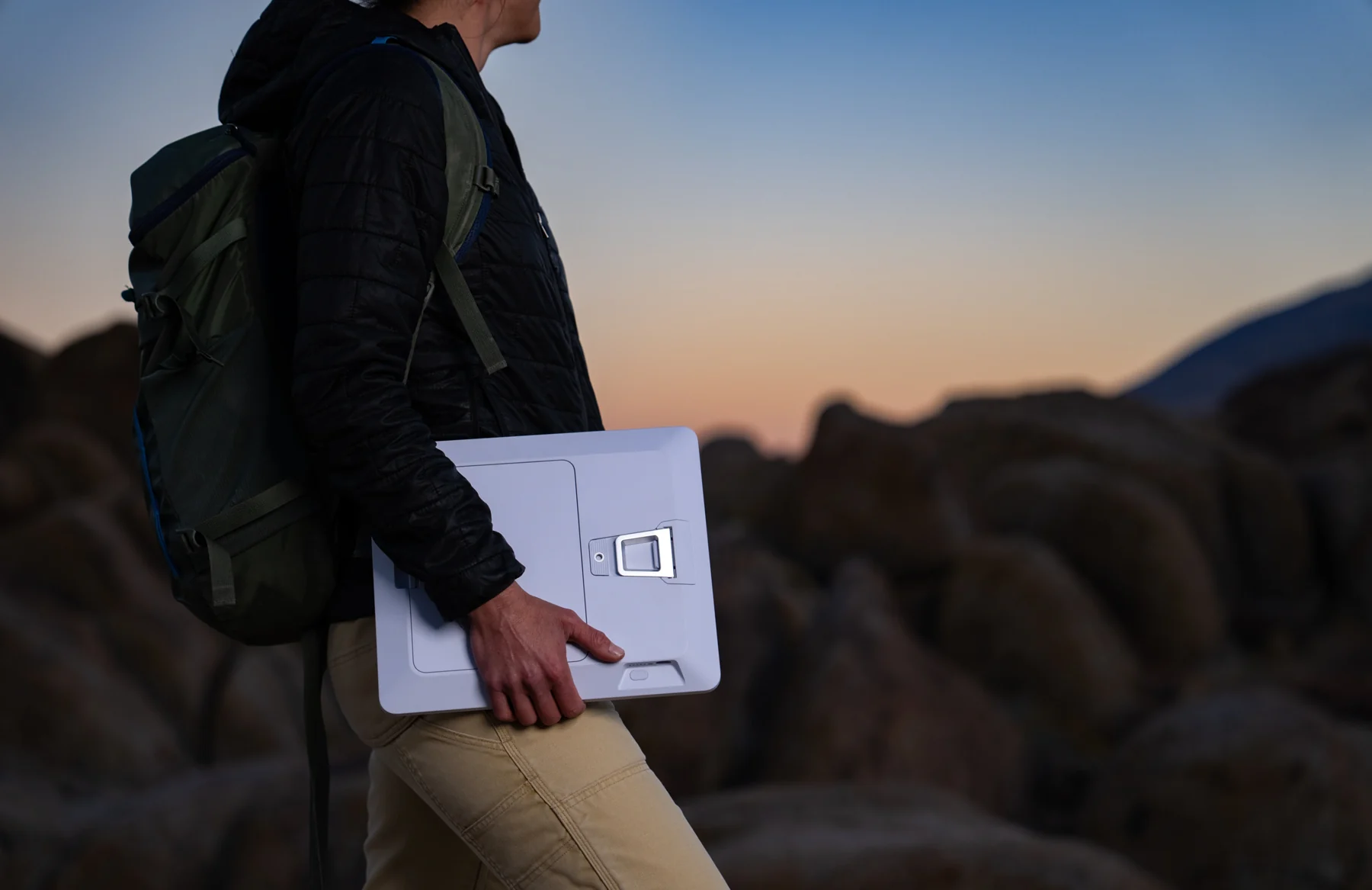
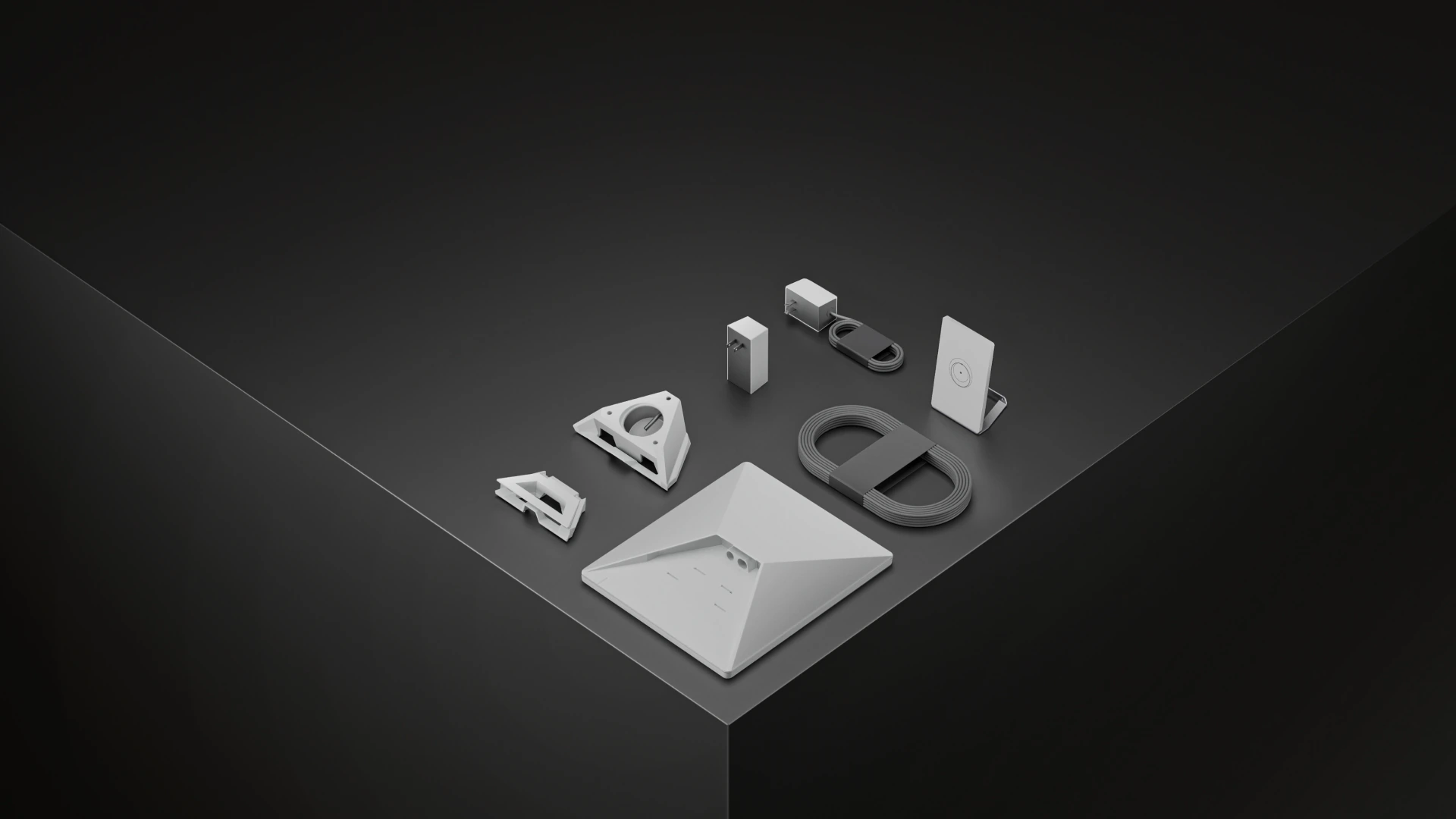
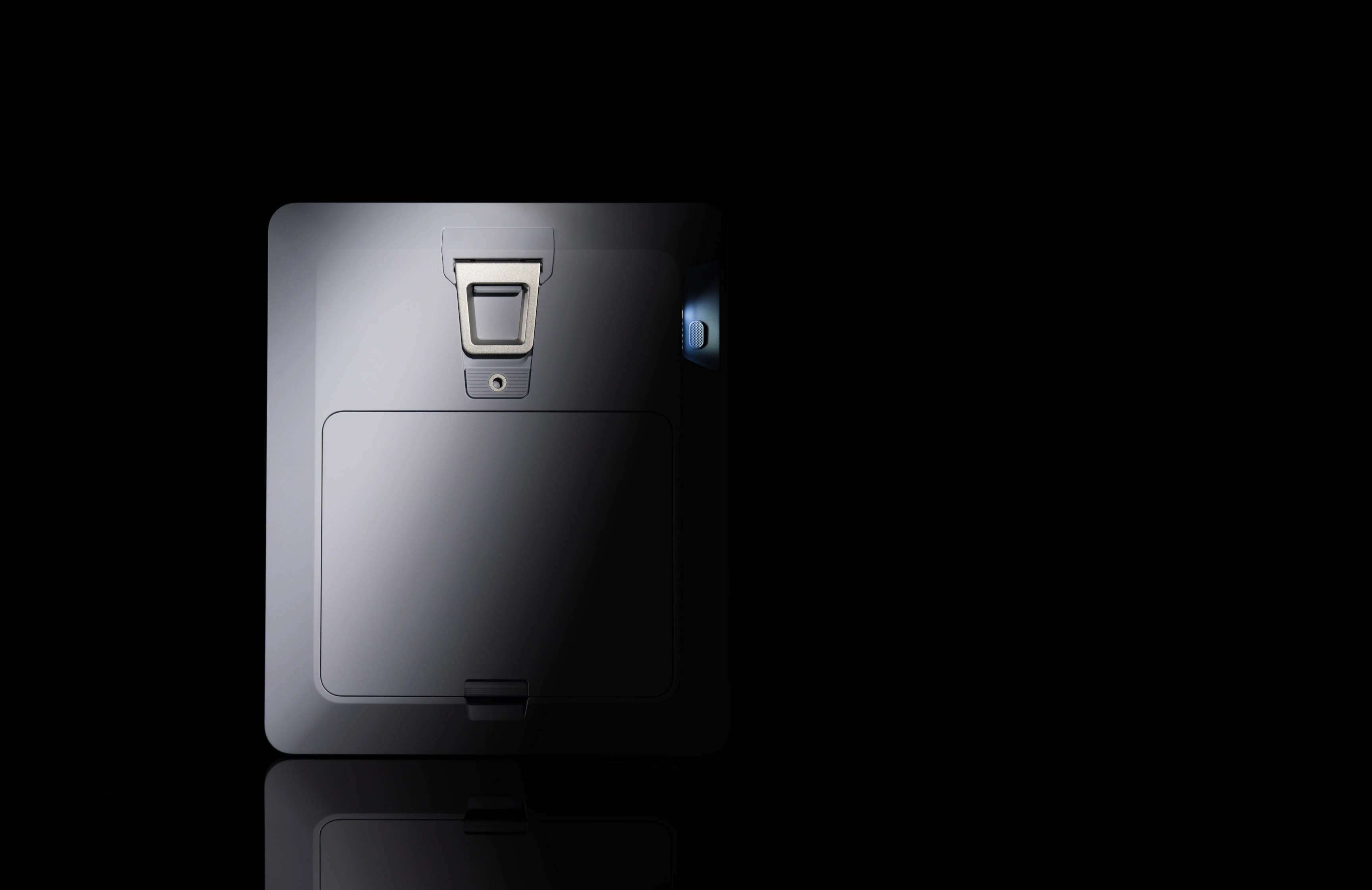
Official Mini 2 product imagery: Starlink / SpaceX. The exterior photo does not identify the internal production revision. Starlink / SpaceX
From prod1 to prod2: what has actually been reported?
In his update posted on 11 November 2026 at 01:44 UTC, independent researcher Oleg Kutkov describes a change from rev_mini2_prod1 to rev_mini2_prod2 since his July announcement. He expects prod2 to be the version delivered to customers. That expectation is not a manufacturer guarantee about every shipping unit.
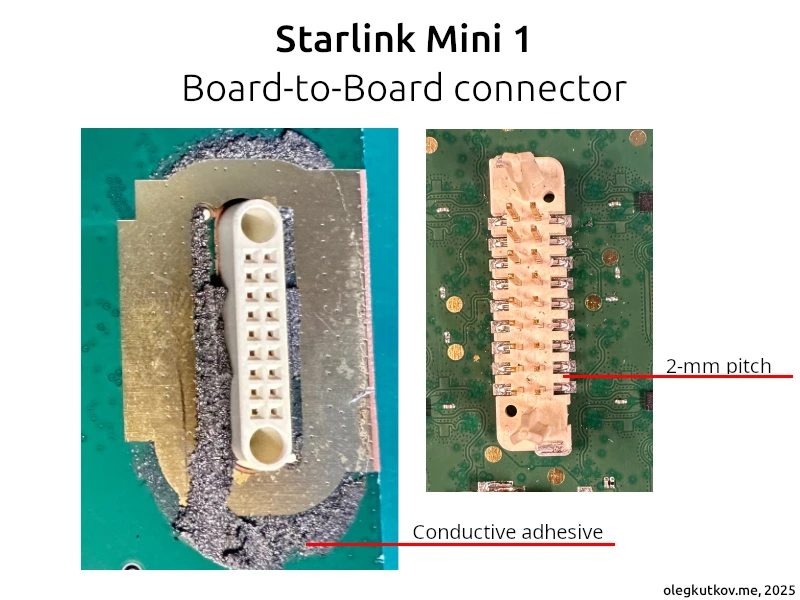
The comparison he gives for the radio changes is the common first-generation Mini revision mini1_panda_prod2. A product family, an internal board revision and a regional sales kit describe different things. Keep all three clear when comparing hardware or preparing a purchase.
Mini 2 RF changes: transmit power is not a speed test
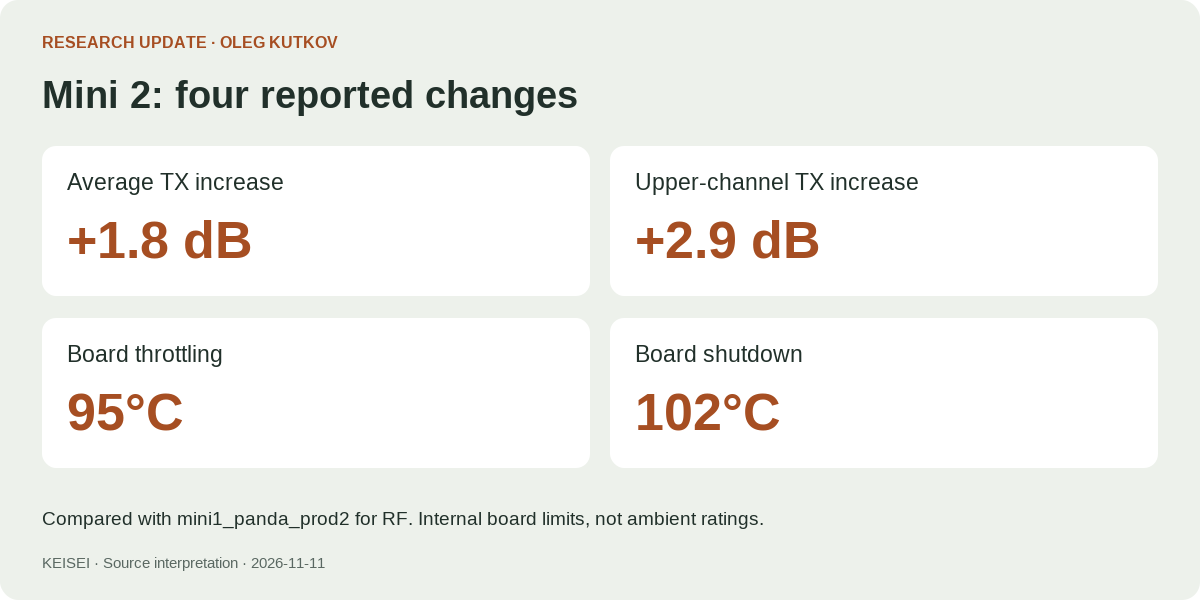
Kutkov attributes the reported transmit-power increase to new PEZ front-end chips: an average of +1.8 dB, reaching +2.9 dB on the upper-frequency channels. He also describes a flatter response across channels. These are relative RF figures, not an absolute output-power specification and not a measured internet-speed gain.
TX means transmit and RX means receive. A variable-gain amplifier, or VGA, adjusts signal amplitude in a radio chain. Kutkov reports an RX VGA increase of two steps but does not state the dB size of each step; “two steps” therefore should not be rewritten as “2 dB”.
For a buyer, the useful question is how a specific revision performs under a defined test setup. This short update provides no complete throughput test, test-environment description or evidence of a particular speed improvement. More transmitter power alone is not enough to calculate one.
KEISEI summary of Oleg Kutkov’s reported values. RF figures are relative to mini1_panda_prod2; temperatures refer to internal board thresholds. This is not a KEISEI measurement.
Mini 2 RF changes: transmit power is not a speed test
Kutkov reports board-temperature limits approximately 15°C higher than Mini 1: throttling at 95°C and thermal shutdown at 102°C. Throttling describes protective reduction of operation; shutdown is a separate stop condition. Neither value specifies the allowable outdoor air temperature.
The battery values form a separate set of thresholds. The arrows below preserve the changes as presented in the post. The post does not fully explain the idle state, sensor location or test conditions, so these numbers should not be used as user-adjustable operating targets.
95°C and 102°C are internal board thresholds
Reported battery threshold
Value in Oleg’s update
What is known
Idle
79°C
State label reproduced from the source; its full meaning is not explained.
Throttling
57 → 59°C
The source reports this change.
Throttling on external power
75 → 78°C
A separate external-power condition.
Power cutoff
80°C
A protective cutoff threshold, not a recommended operating point.
Starlink’s official announcement describes a quick-swap battery, USB-C power, built-in Wi-Fi and up to 4.5 hours of battery connectivity. It says US preorders are available by invitation. Those are manufacturer launch claims; they are a different evidence layer from Kutkov’s internal-hardware observations.
The official photos show the portable terminal in use. They illustrate its design and intended setting, rather than proving a particular board revision, battery endurance in your conditions or local inventory.
Official camping image: Starlink / SpaceX. The scene is manufacturer imagery, not a KEISEI field test. Starlink / SpaceX
For a business purchase, record the exact model, any revision information available from the supplied unit, regional kit, destination and country of use. Keep the commercial quotation separate from technical predictions. A new internal revision does not establish stock, activation eligibility or a delivery date.
KEISEI’s Hardware Insights connects component-level research with practical sourcing questions. DELTA V by Keisei Co., Ltd. lists Mini 2 for B2B preorder requests; the company confirms the applicable supply terms in a separate quotation. The research in this article is attributed to Oleg Kutkov, with interpretation by KEISEI.
Checked 11 November 2026: Starlink publishes online specification tables for the terminal, battery and charger. We have not located a separate official Mini 2 specification PDF or installation manual in the public material checked. The first-generation Mini manuals are not Mini 2 documentation.
Official specifications, independent research and our purchasing guidance are identified separately. Oleg Kutkov is a cited independent researcher, not the author of this site. Rumours, when covered, are labelled unconfirmed and updated when primary evidence appears. Specifications and regional kit contents can change.
DELTA Vby Keisei Co., Ltd.
Hardware knowledge for better purchasing decisions.
DELTA V by Keisei Co., Ltd. connects hardware research with cross-border B2B sourcing. For model selection, regional configurations or a purchasing enquiry, contact our team.